
Case Study: Transforming a Hazardous Property in Linn County

Introduction
Transforming hazardous properties into safe, usable spaces is a critical task in urban development. In Linn County, a significant project recently exemplified this process, showcasing the power of collaboration and innovative solutions. This case study explores the steps taken to convert a once-dangerous property into a valuable community asset.
The subject of this transformation was a property plagued by environmental hazards and safety risks. Its derelict state posed a threat to local residents and deterred investment in the surrounding area. However, through strategic planning and execution, it was revitalized to serve the community.
Identifying the Challenges
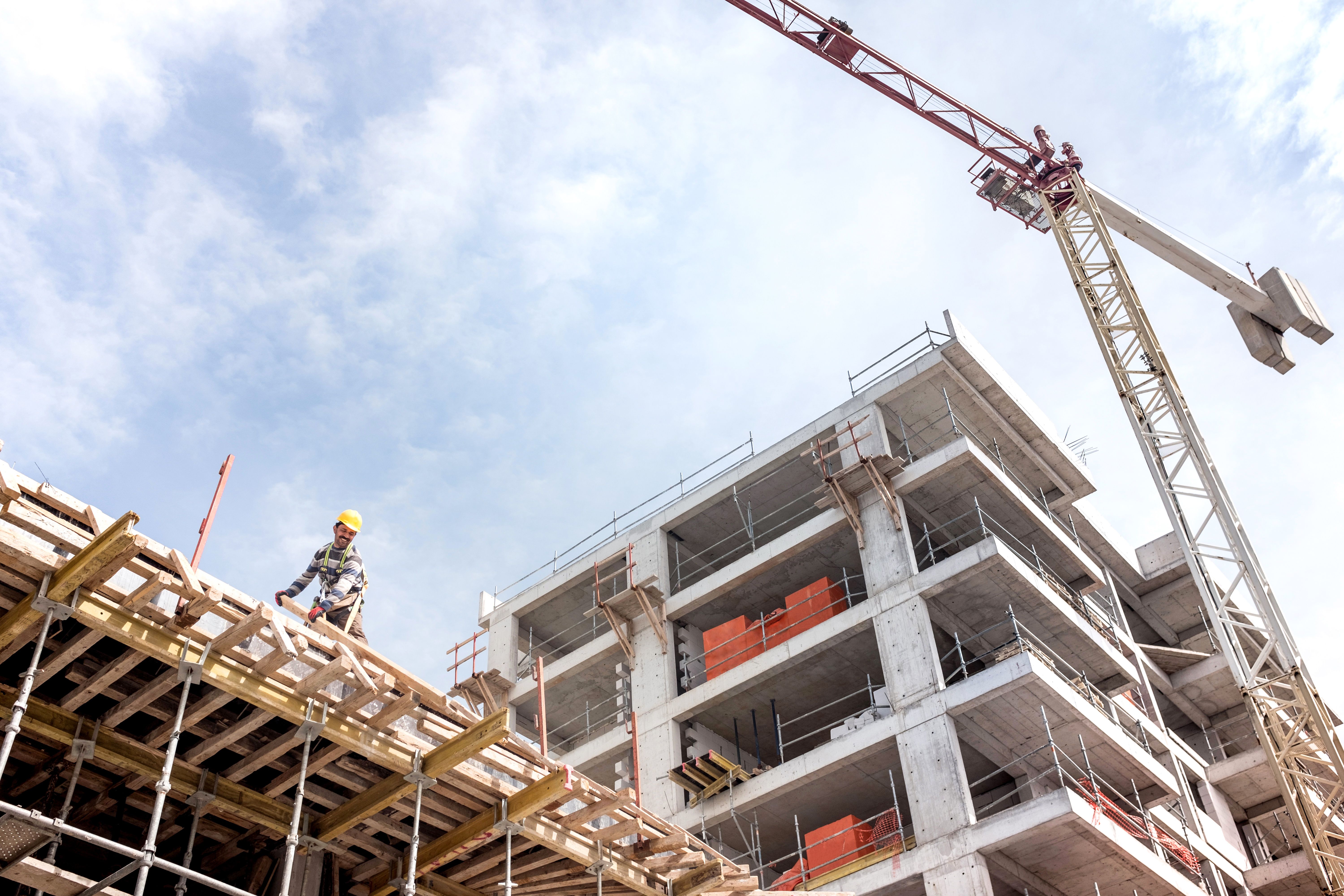
Before any transformation could take place, a comprehensive assessment was necessary to identify the property's specific challenges. Environmental hazards, such as soil contamination and structural instability, were among the primary concerns. The assessment also highlighted the need for community involvement to ensure a sustainable solution.
The property had a history of neglect, which required a thorough investigation to understand the extent of the issues. This phase involved consulting with environmental experts and local authorities to develop a clear action plan.
Strategic Planning and Collaboration
Once the challenges were identified, a strategic plan was developed. This plan involved collaboration between local government, environmental agencies, and community organizations. The goal was to address the hazards while considering the needs and aspirations of the local community.
- Environmental remediation: Cleaning up contaminated soil and ensuring compliance with safety standards.
- Structural repairs: Reinforcing or replacing unstable structures to make the property safe.
- Community engagement: Involving local residents in the planning process to ensure the project met their needs.

Implementation and Overcoming Obstacles
With the plan in place, the implementation phase began. This stage required careful coordination to ensure that all safety protocols were followed. The project faced several obstacles, including unexpected weather conditions and logistical challenges, but these were overcome through flexibility and persistence.
Regular updates and open communication with the community helped maintain transparency and trust throughout the process. This engagement was crucial in addressing concerns and adapting to any unforeseen issues.
The Transformation
The transformation of the Linn County property was nothing short of remarkable. Once the hazards were mitigated, the space was repurposed to serve the community effectively. The property now hosts a community center, which provides various services and activities for residents.
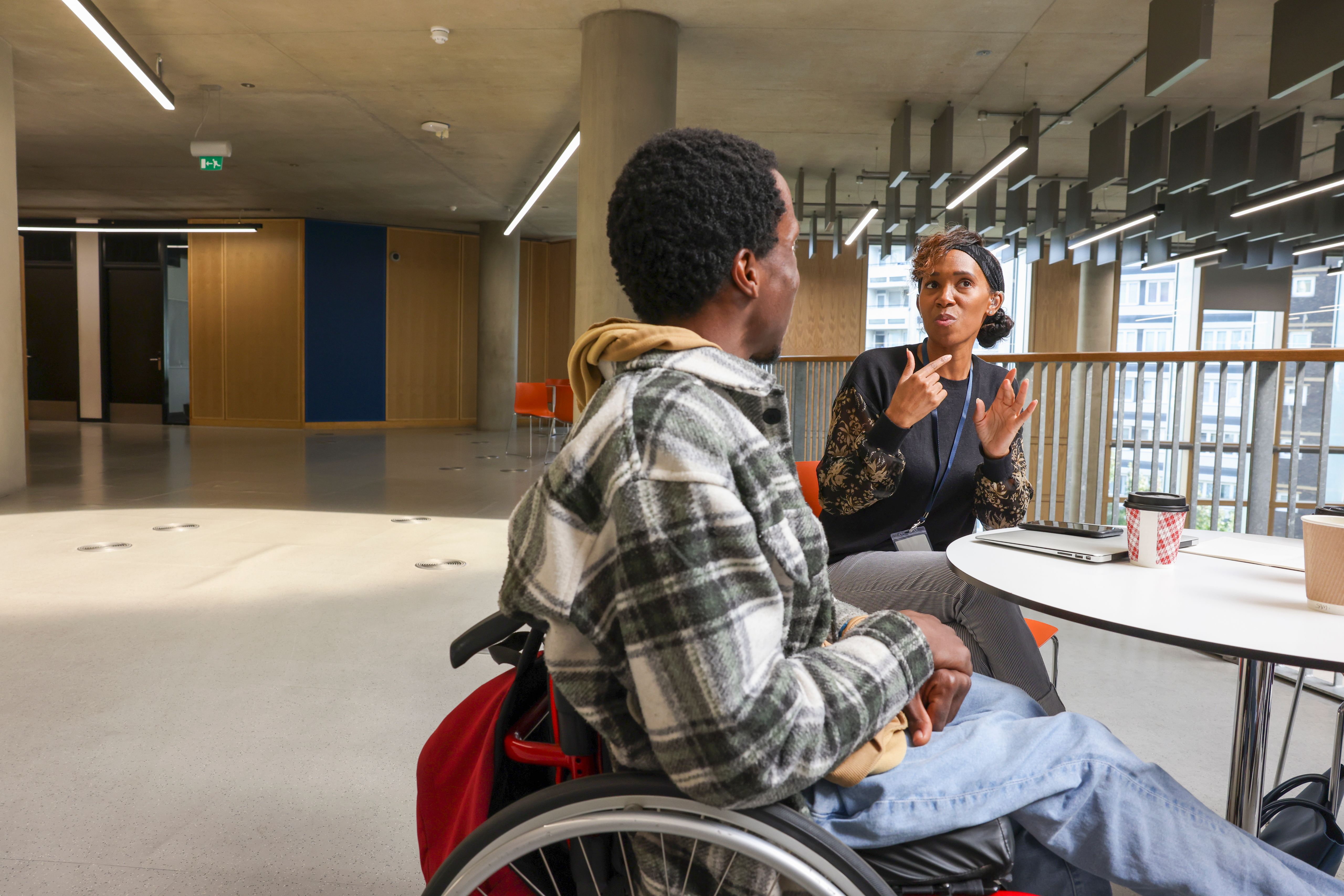
This new facility not only enhances the quality of life for local residents but also attracts new businesses and investments to the area. The successful transformation serves as a model for similar projects in other regions.
Conclusion
The Linn County property transformation is a testament to the power of strategic planning and community collaboration. By addressing environmental hazards and involving local stakeholders, a once-dangerous property was turned into a thriving community hub. This case study highlights the potential of urban redevelopment to create positive, lasting change.
The lessons learned from this project continue to inspire efforts in other communities, emphasizing the importance of safety, sustainability, and community involvement in urban development.