
DIY Tips: When to Call a Professional for Hazardous Tree Removal

Understanding Hazardous Tree Situations
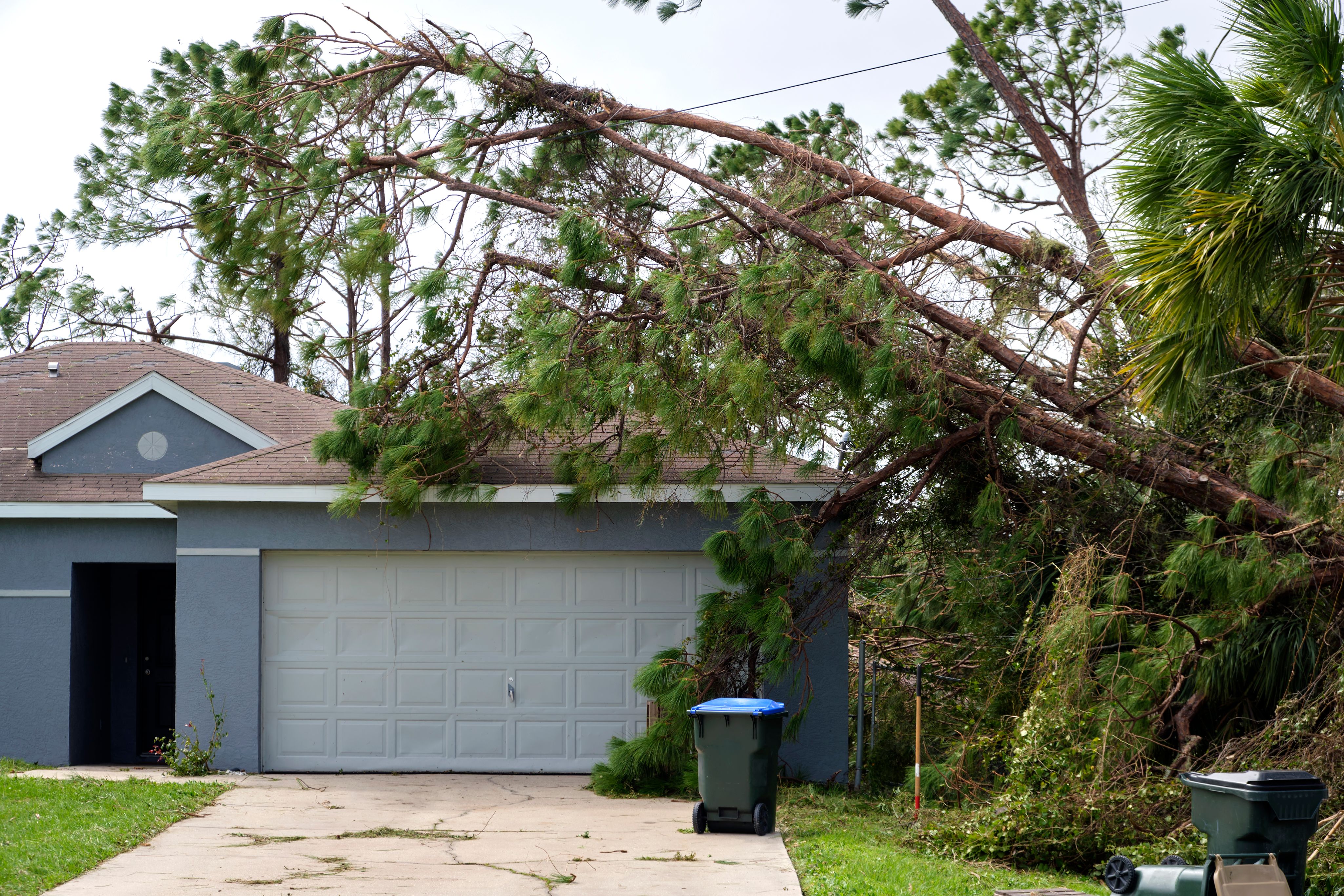
Trees are a vital part of any landscape, providing shade, beauty, and environmental benefits. However, when they become hazardous, they pose significant risks to property and safety. Understanding when a tree has become a hazard is the first step in deciding whether to tackle a DIY project or call a professional.
Hazardous trees often show signs such as dead branches, leaning trunks, or visible root damage. These indicators are crucial in assessing the risk level and determining the best course of action. Regular inspection is key to identifying potential issues before they become severe.
Assessing the Risks
While some tree issues can be addressed with basic tools and a little elbow grease, others require more careful consideration. Before attempting any removal, evaluate the surrounding area. Are there power lines, buildings, or other structures nearby? If so, these are red flags that might necessitate professional intervention.
Additionally, consider your own level of experience and equipment availability. Tree removal can be dangerous and requires the right tools and knowledge to be done safely. If you're unsure about your ability to handle the task, it might be time to call in the experts.
When to DIY
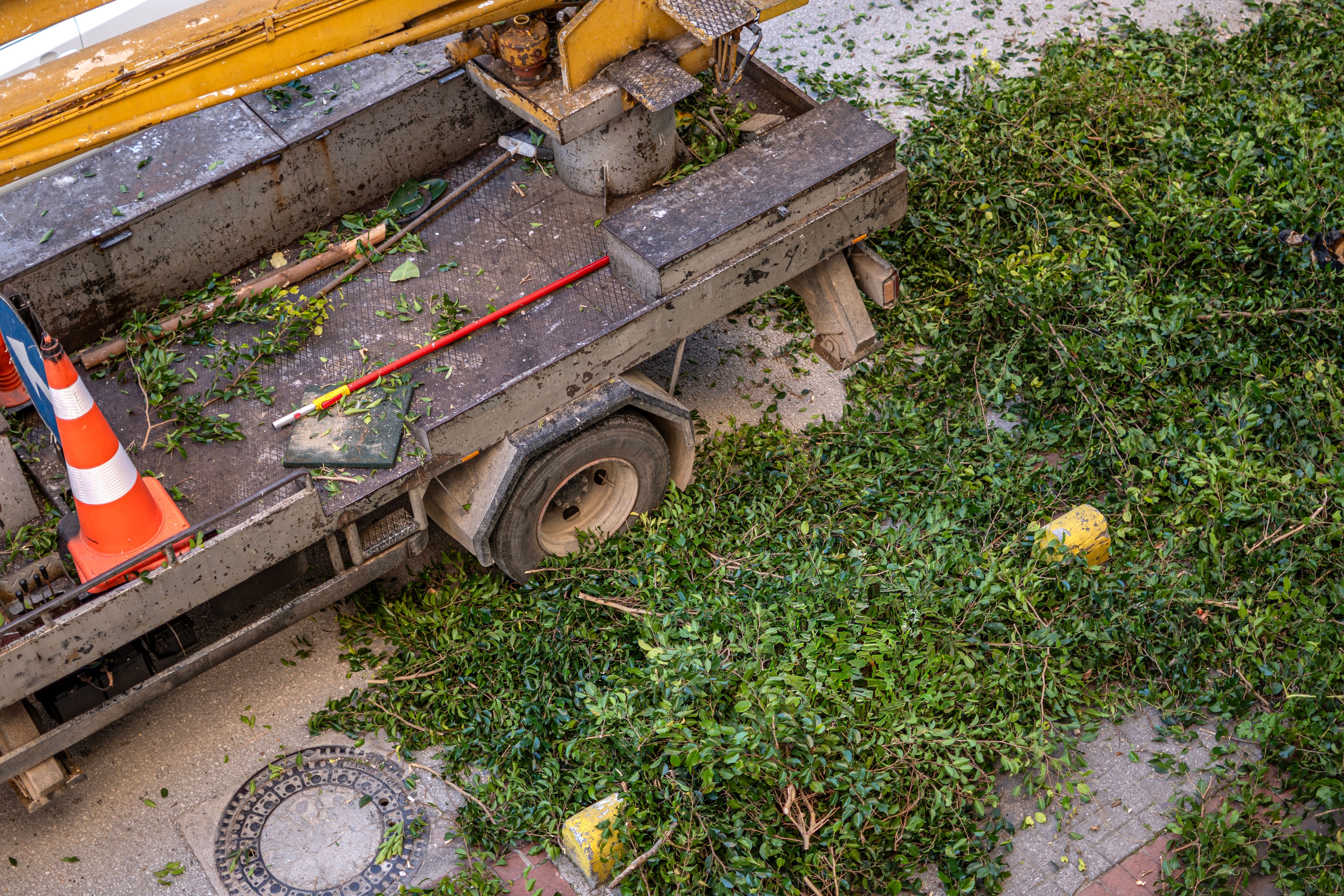
For those with experience and the proper tools, certain tree removal tasks can be done independently. Small trees or branches that are easily accessible and away from hazards can be managed with a DIY approach. Ensure you have protective gear and a solid plan before proceeding.
If you're confident in your skills, follow these steps:
- Inspect the tree thoroughly to ensure it's safe to remove without professional help.
- Use the right tools, such as saws and pruners, to carefully cut away branches.
- Dispose of the debris responsibly, following local regulations.
When to Call a Professional
In cases where trees are large, unstable, or in close proximity to structures or power lines, it's wise to contact a professional tree removal service. These experts have the training, experience, and insurance to handle complex situations safely and efficiently.
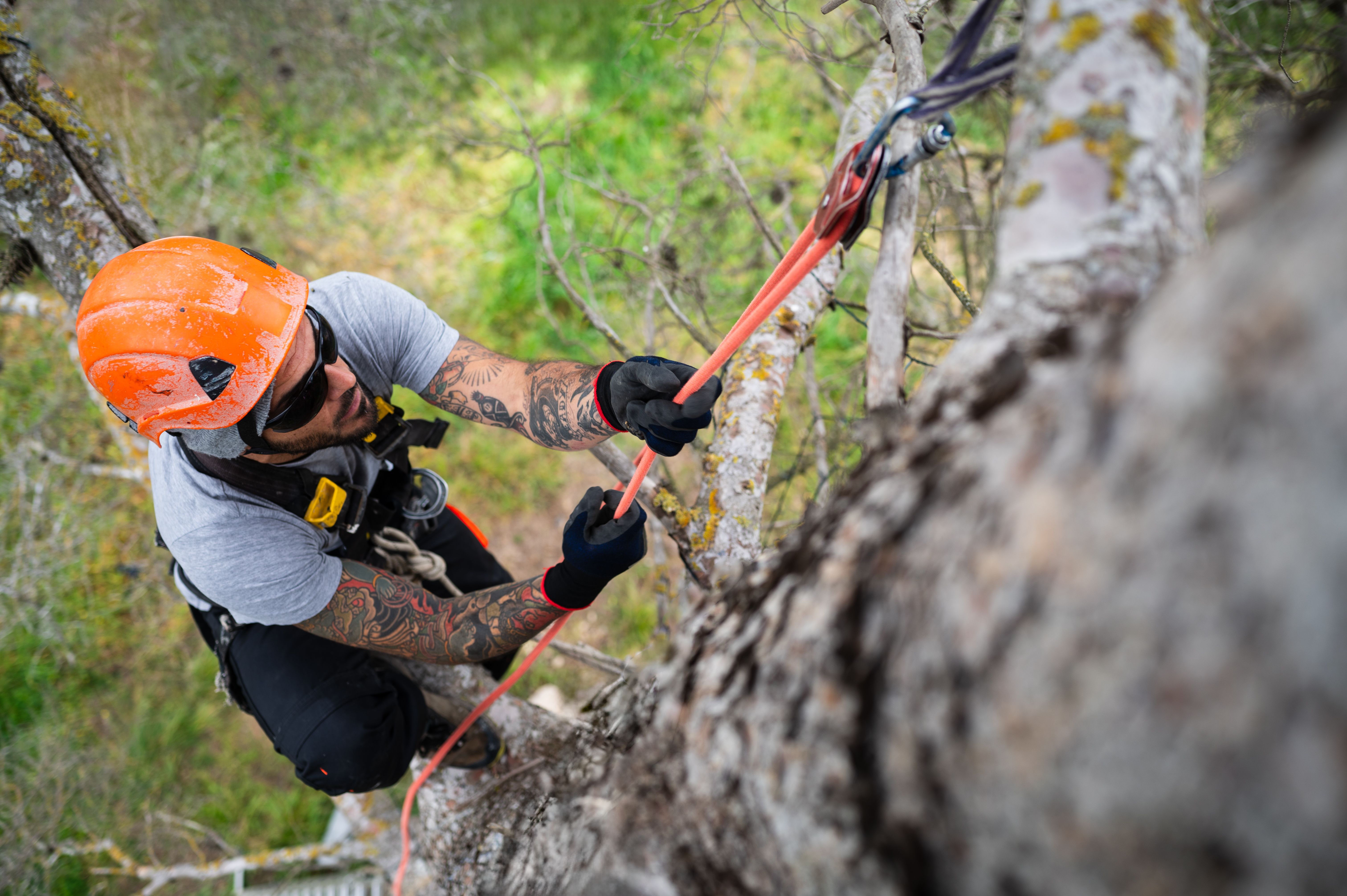
Professional arborists can also provide valuable insight into the health of your trees and offer recommendations for maintenance or other necessary actions. Their expertise ensures that the job is done correctly, minimizing risks and potential damage.
Choosing the Right Professional
When selecting a professional for hazardous tree removal, look for companies with proper certifications, insurance, and positive customer reviews. Request quotes and ask for references to ensure you're working with reputable experts.
It's vital to communicate your concerns and expectations clearly. A professional should provide a detailed plan and cost estimate before beginning any work.
Conclusion: Safety First
While DIY projects can be rewarding, safety should always be the top priority when dealing with hazardous trees. Assess the situation carefully, and don't hesitate to call a professional if the risks are too high. By taking the right precautions, you can maintain a beautiful and safe landscape.