
Excavation Essentials: Preparing Your Linn County Property for Landscaping

Preparing your Linn County property for landscaping is an exciting venture that lays the groundwork for a beautiful and functional outdoor space. Whether you're planning a garden, a patio, or a more complex outdoor area, proper excavation is a critical first step. Understanding the essentials of excavation will ensure a smooth and successful landscaping project.
Understanding the Basics of Excavation
Excavation involves the removal of earth to create a stable foundation for your landscaping project. This process can range from simple digging to more complex operations requiring heavy machinery. It's crucial to assess the scope of your project to determine the necessary excavation methods.
Before you begin, consider the size and purpose of your landscaping. Are you installing a large patio, creating a garden, or constructing a retaining wall? Each project has unique requirements, and understanding these will help you prepare adequately.
Planning and Permits
One of the first steps in excavation is planning. This includes drawing up detailed plans of your desired landscape and identifying any potential obstacles such as underground utilities or existing structures. It's also essential to check with local authorities in Linn County to determine if you need any permits for your project.

Choosing the Right Equipment
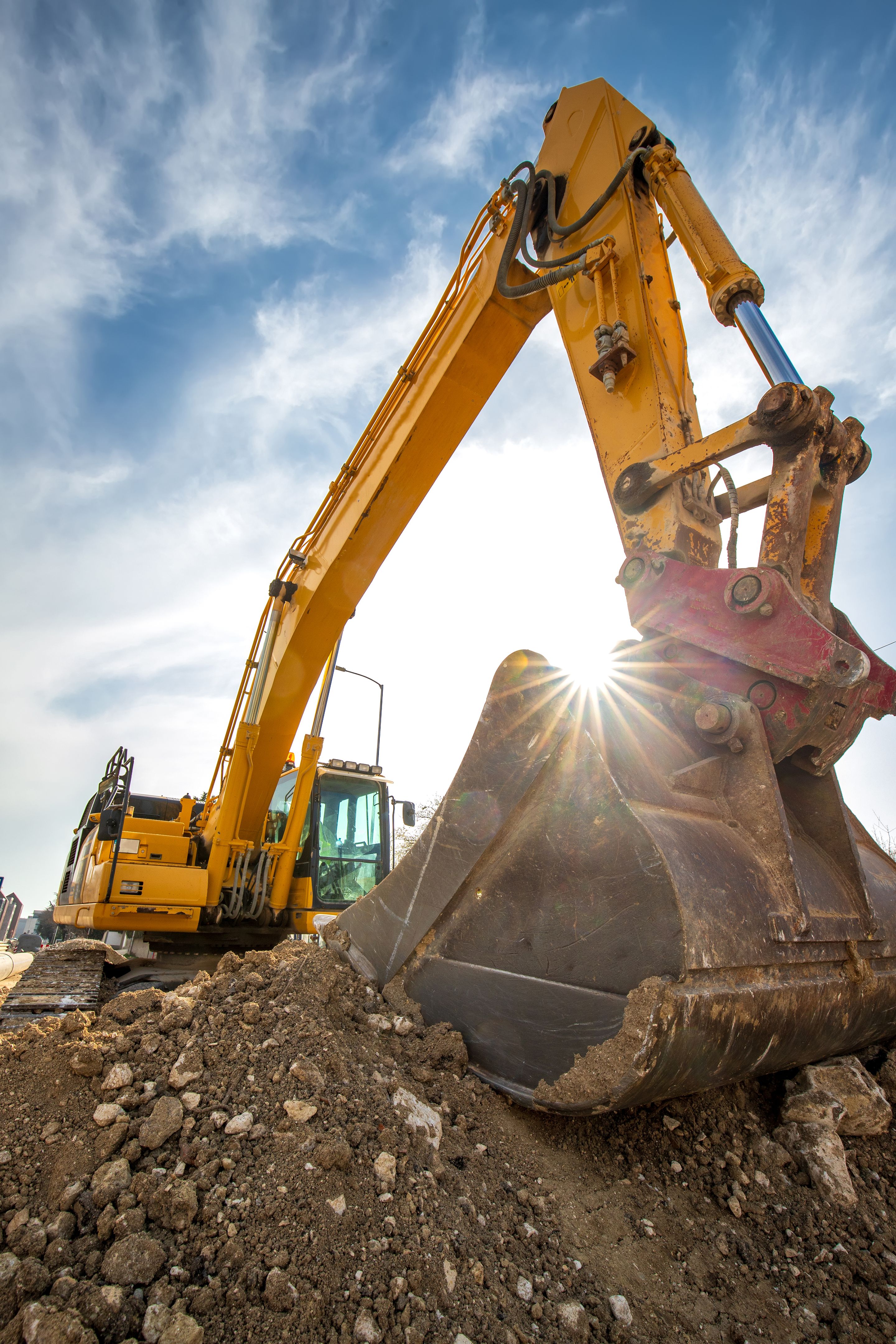
Depending on the complexity of your project, you'll need different types of equipment. For smaller jobs, basic tools like shovels and wheelbarrows may suffice. However, larger projects might require the use of heavy machinery such as excavators or backhoes. Renting the right equipment can save time and effort.
It's also important to consider hiring professionals if your project involves complex excavation. Experienced contractors can ensure the job is done safely and efficiently, minimizing the risk of costly mistakes.
Soil and Drainage Considerations
Understanding the type of soil on your property is crucial. Soil composition affects drainage and stability, both of which are vital for a successful landscaping project. Conducting a soil test can provide insights into the best methods for excavation and preparation.

Proper drainage planning is essential to prevent water accumulation, which can damage your landscaping. Consider installing drainage systems or grading the land to direct water away from your property.
Safety Measures and Best Practices
Safety should always be a priority during excavation. Ensure that you and your team are wearing appropriate safety gear, such as helmets and gloves. Be mindful of any potential hazards, and always have a plan in place to address emergencies.
Following best practices not only ensures safety but also enhances the quality of your landscape. Take the time to carefully measure and mark areas before digging, and always consult with experts if you encounter unexpected challenges.
Final Preparations
Once the excavation is complete, it's time to prepare the area for landscaping. This includes leveling the ground, adding nutrients to the soil, and setting the foundation for any structures you plan to build. Proper preparation ensures that your landscaping project will stand the test of time and flourish in the Linn County environment.
By following these excavation essentials, you'll be well on your way to creating a stunning and sustainable landscape. Whether you're a DIY enthusiast or working with professionals, careful planning and execution are key to achieving your dream outdoor space.