
Expert Tips on Site Preparation for New Constructions in Oregon

Understanding Site Preparation
Site preparation is a critical phase in any construction project, laying the groundwork for a successful build. In Oregon, with its diverse landscapes and environmental regulations, proper planning and execution are essential. This guide offers expert insights into the key steps and considerations for effective site preparation in Oregon.
Conducting a Thorough Site Assessment
Before breaking ground, it's crucial to conduct a comprehensive site assessment. This involves evaluating soil conditions, topography, and any potential environmental concerns. In Oregon, understanding the local geology can prevent unforeseen challenges during construction.
Engaging with a geotechnical engineer can provide valuable insights into soil stability and drainage requirements. This step ensures that the site can support the intended structure and helps in designing a suitable foundation.
Obtaining Necessary Permits
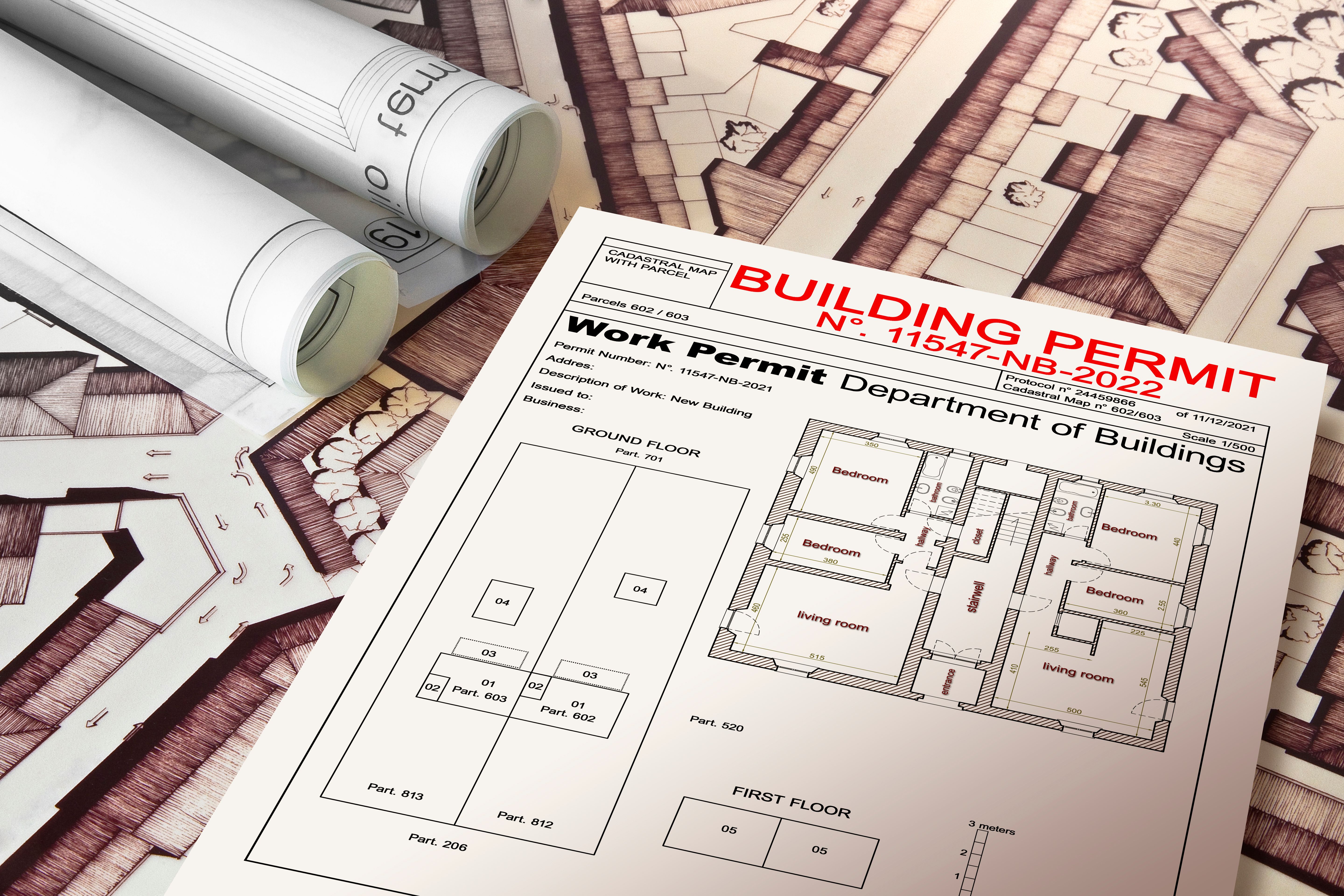
In Oregon, construction projects must adhere to state and local regulations. Obtaining the necessary permits is a critical part of site preparation. This includes zoning approvals, environmental permits, and building permits. Working closely with local agencies can facilitate a smoother approval process.
Site Clearing and Grading
Once permits are in place, site clearing and grading can commence. This involves removing vegetation, debris, and any existing structures that impede construction. Grading is essential to create a level surface and ensure proper drainage, reducing the risk of water damage.
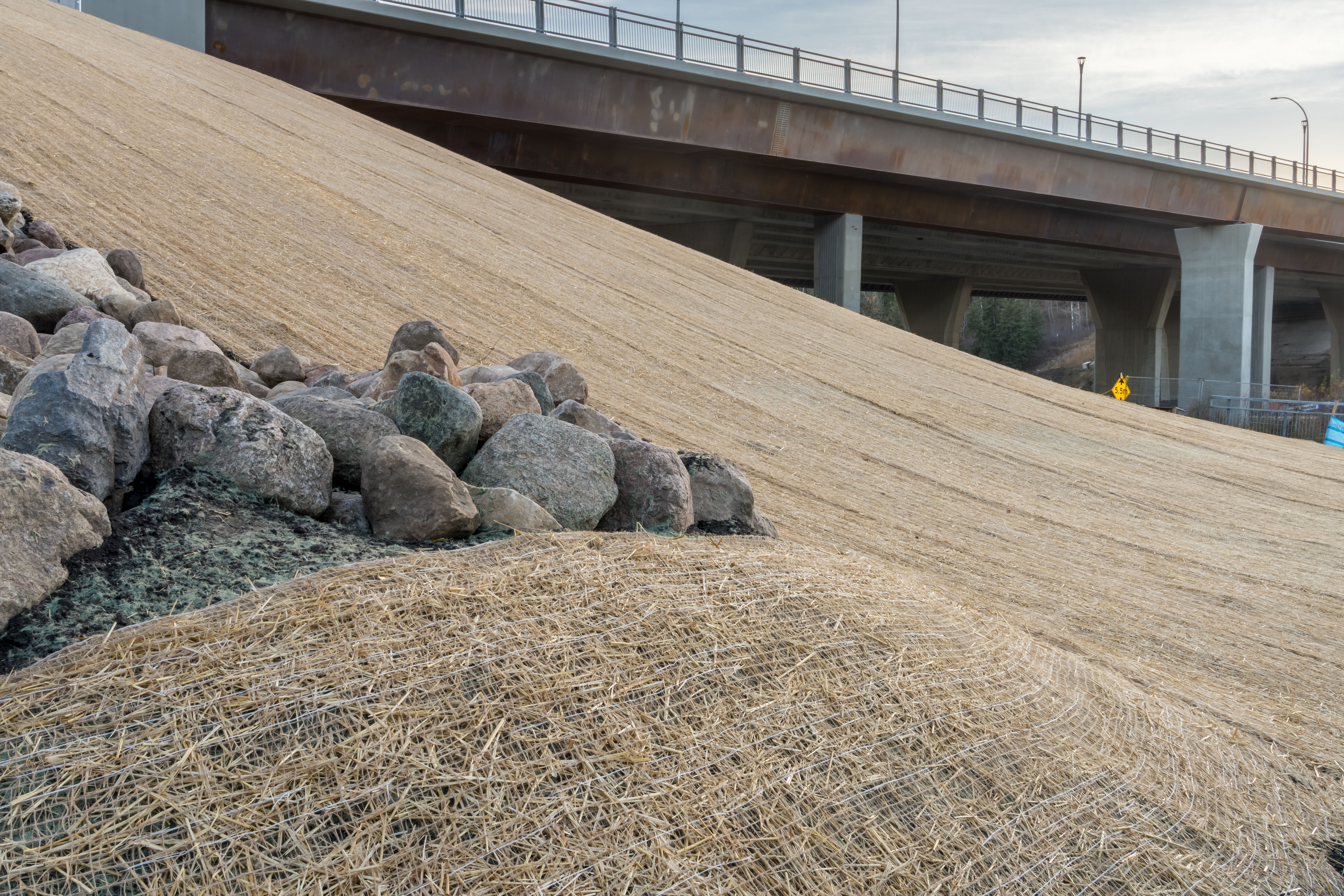
In Oregon's varied climate, proper grading is vital to direct water away from the construction site. This can prevent flooding and erosion, protecting both the site and the surrounding environment.
Addressing Environmental Concerns
Oregon's natural beauty and ecological diversity require special attention to environmental concerns. Protecting local wildlife habitats and water resources is not just ethical but often a regulatory requirement. Implementing erosion control measures and sediment barriers can minimize environmental impact.
Utility and Infrastructure Planning
Coordinating utility installations and infrastructure development is a key component of site preparation. This includes planning for water, electricity, gas, and sewage systems. Engaging with utility providers early in the process can prevent delays and ensure seamless integration.
Consider future expansion possibilities and infrastructure upgrades. This foresight can save time and resources in the long run, allowing for easier adaptations as the project evolves.
Implementing a Site Safety Plan
Safety is paramount in any construction project. Developing a comprehensive site safety plan ensures that all workers are aware of potential hazards and safety protocols. Regular safety audits and training sessions can maintain a secure working environment.
In Oregon, adhering to state-specific safety regulations and guidelines is crucial to avoid legal complications and ensure the well-being of all personnel involved in the project.