
How to Safely Handle Hazardous Tree Removal After a Storm

Understanding the Risks of Hazardous Tree Removal
After a storm, trees can become hazardous, posing risks to your property and safety. It is crucial to understand the potential dangers involved in removing these trees. Broken branches, uprooted trunks, and leaning trees can fall unexpectedly, causing injuries or damage.
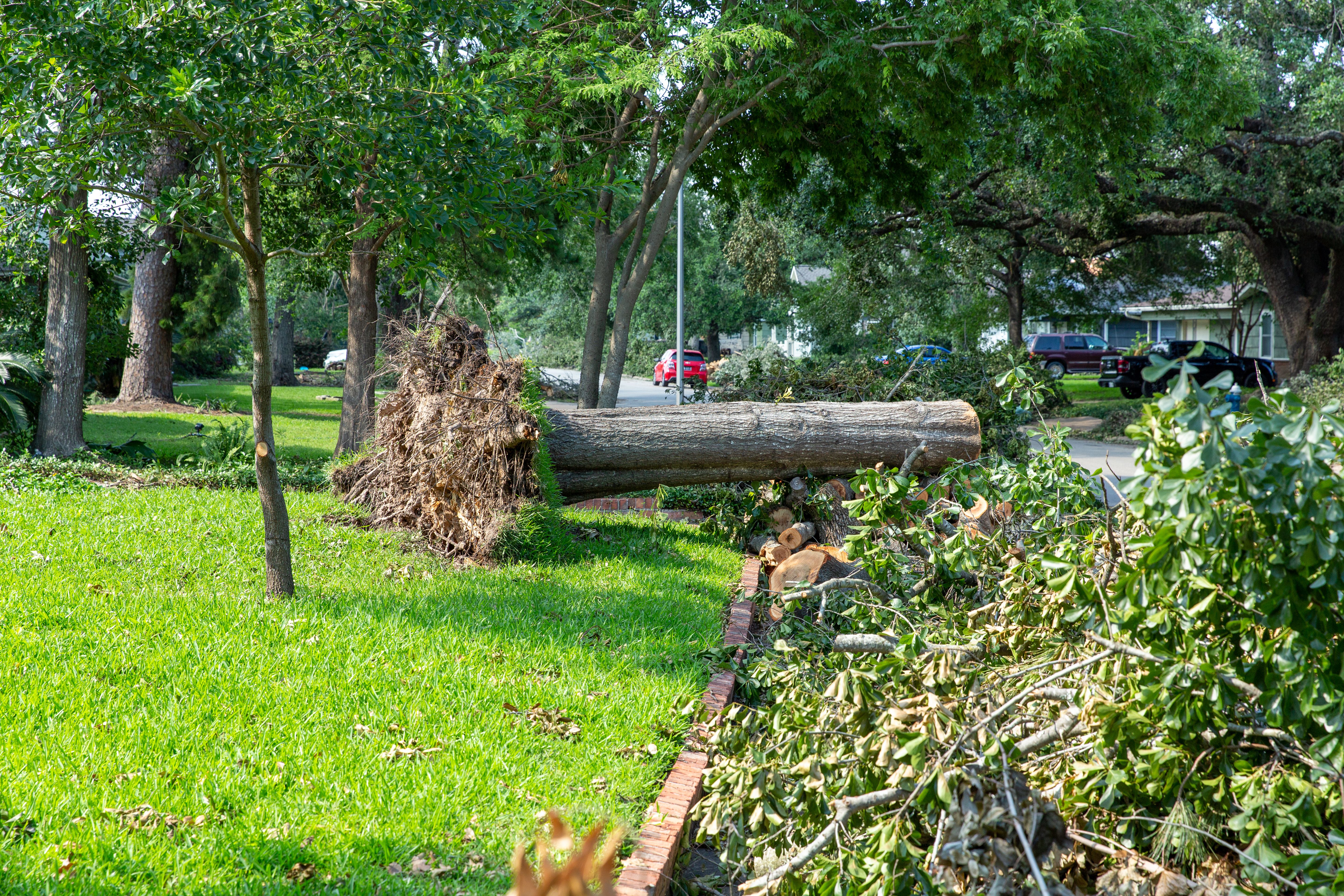
Before attempting any tree removal, assess the situation carefully. Look for signs of instability or entanglement with power lines. If you notice any complex scenarios, it's best to contact a professional arborist to handle the situation. Safety should always be your top priority.
Essential Safety Gear and Tools
Wearing the right safety gear is vital when dealing with hazardous tree removal. Equip yourself with a helmet, gloves, steel-toed boots, and safety glasses. These items protect you from falling debris and sharp objects.

Ensure you have the appropriate tools for the task. A chainsaw, pruning saw, ropes, and wedges are typically necessary. Make sure your equipment is in good condition and that you are familiar with its operation. If you lack experience, consider hiring professionals who have the expertise and equipment for safe removal.
Steps for Safe Tree Removal
Follow these steps to safely remove hazardous trees:
- Assess the Situation: Examine the tree's position, noting any leaning or entanglement with other structures.
- Clear the Area: Remove any obstacles and ensure that bystanders are at a safe distance.
- Plan Your Approach: Decide the direction of the fall and clear an escape route.
- Make the Cuts: Use proper cutting techniques to guide the tree's fall safely.
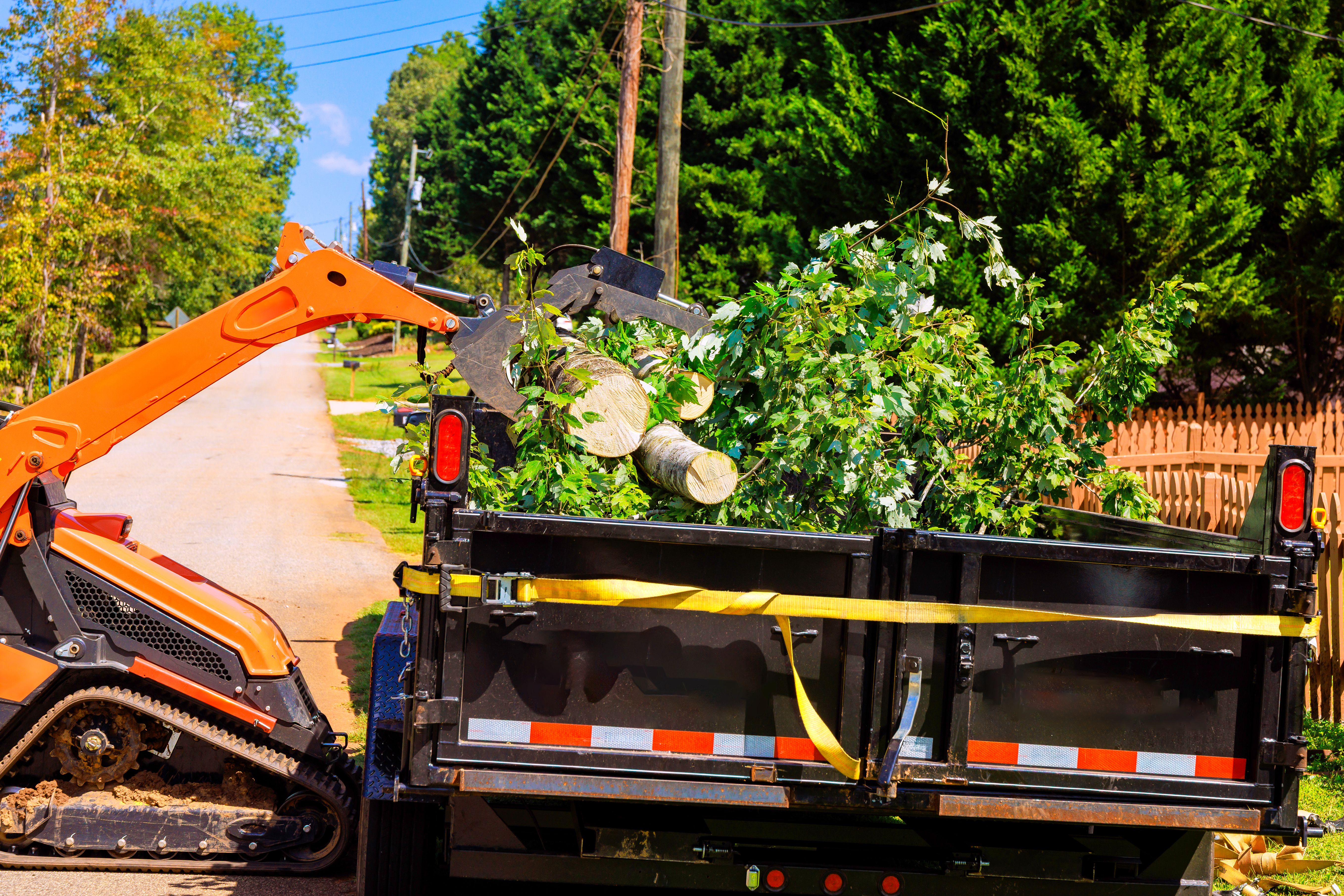
Always have a partner nearby to assist and call for help if needed. Communication is key to preventing accidents and ensuring a smooth operation.
When to Call a Professional
Some situations require professional intervention. If a tree is entangled in power lines or poses a significant threat to structures, do not attempt to handle it yourself. Professionals have the training and equipment to manage these high-risk scenarios safely.
Additionally, large trees or those with complex branch structures can be dangerous to remove without expertise. Hiring a certified arborist ensures that the job is done safely and efficiently, reducing the risk of damage or injury.
Preventive Measures for Future Storms
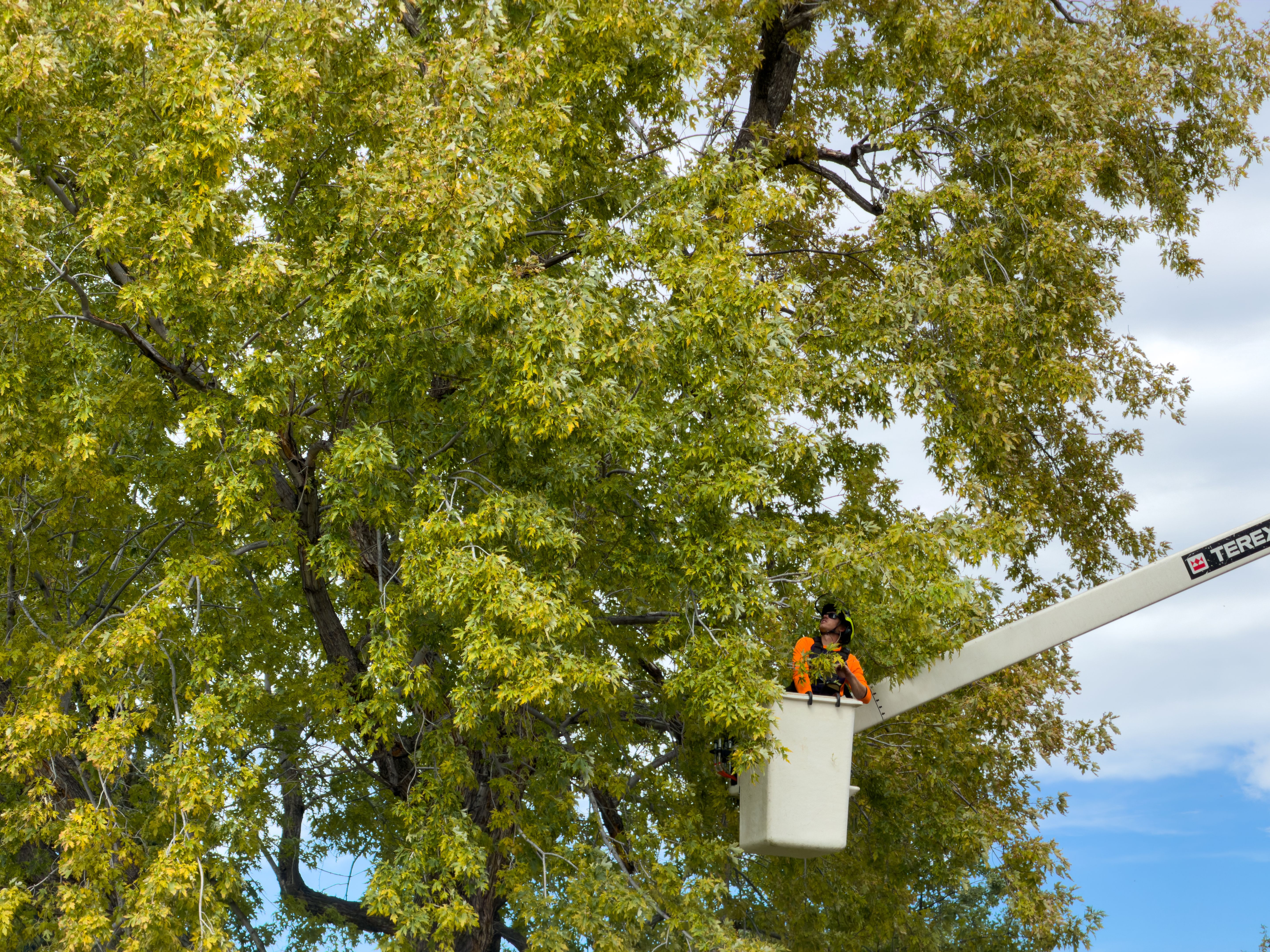
To minimize hazards in future storms, regularly maintain your trees. Pruning dead or weak branches and monitoring the health of your trees can prevent storm damage. Consulting with an arborist for regular inspections can also help catch potential issues before they become problems.
By staying proactive, you can protect your property and ensure the safety of those around you. Proper tree care and timely interventions are essential components of storm preparedness.