
How to Safely Manage Hazardous Trees and Prepare for Storms in Linn County

Understanding Hazardous Trees
Managing hazardous trees is crucial for ensuring safety and minimizing damage during storms. Hazardous trees are those with structural defects that increase the likelihood of them falling and causing injury or property damage. In Linn County, where storms can be frequent, recognizing and addressing these trees is essential.
Trees become hazardous due to various factors such as disease, pest infestation, or severe weather conditions. It's important to regularly inspect your trees, especially those near buildings, power lines, or frequently used areas.
Identifying Risk Factors
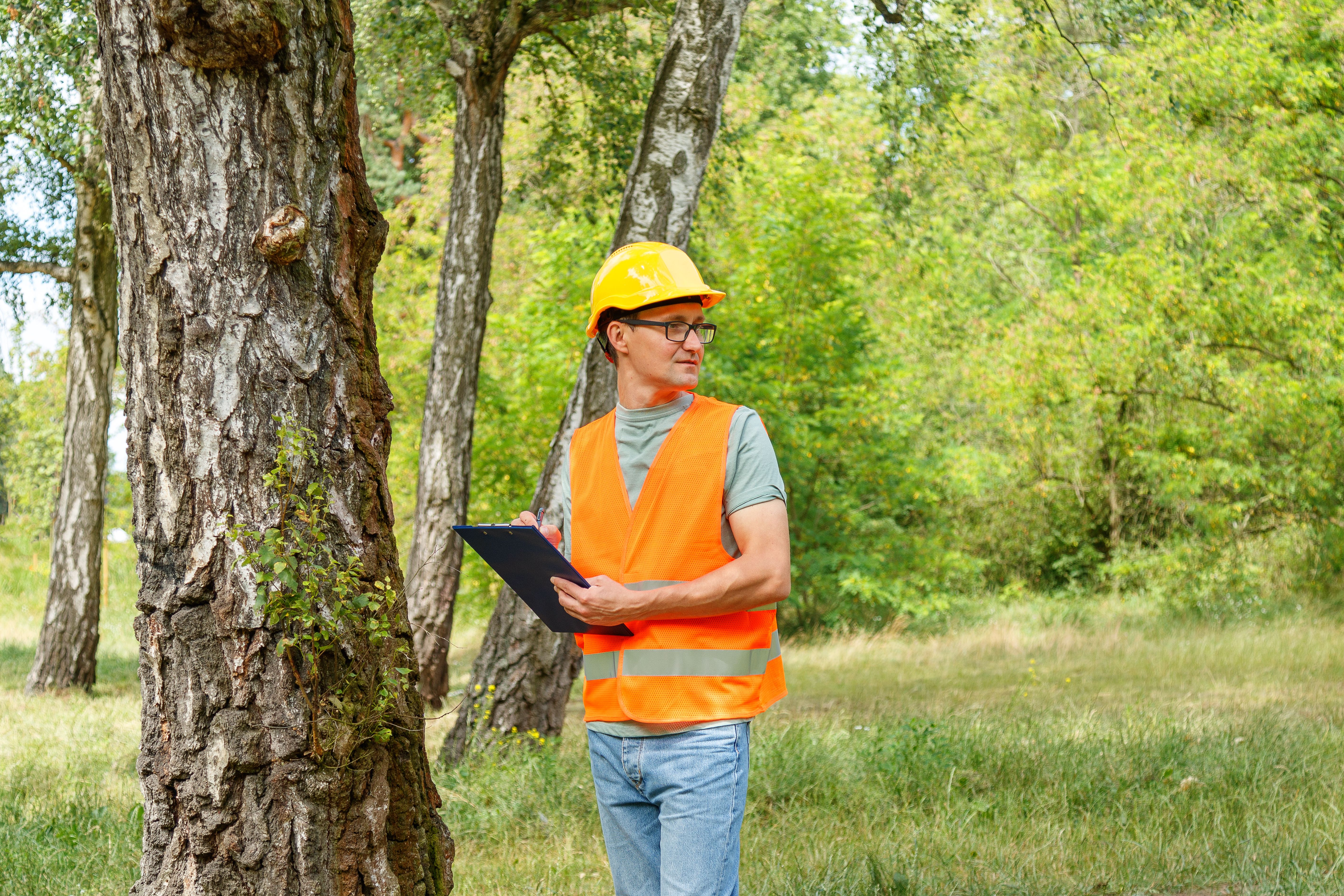
Several signs can indicate a tree is hazardous. Look for dead or hanging branches, noticeable lean, root damage, or cavities in the trunk. Fungi growing near the base can also be a warning sign, indicating internal decay.
Engage a professional arborist for a thorough assessment, as they can provide expert advice on whether a tree poses a risk and recommend the best course of action.
Regular Tree Maintenance
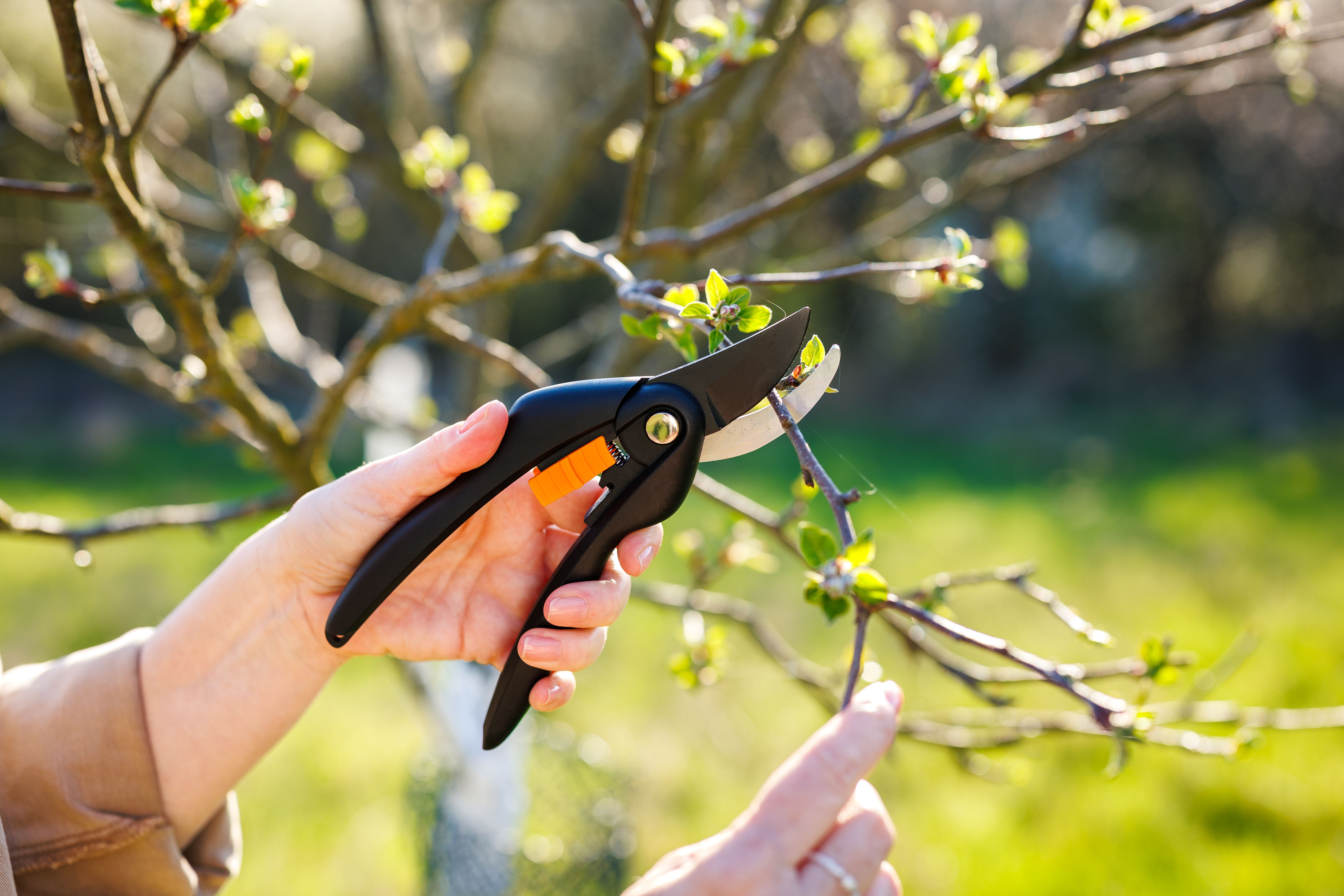
Consistent maintenance is key to preventing trees from becoming hazardous. Regular pruning helps remove weak or dead branches and promotes healthy growth. An arborist can assist with proper pruning techniques to ensure the tree remains healthy and strong.
Preparing for Storms
Storm preparation involves more than just addressing hazardous trees. It requires a comprehensive approach to minimize potential damage. Here are some steps to take before a storm:
- Secure outdoor furniture and items that could become projectiles in high winds.
- Ensure gutters and drainage systems are clear to prevent water backup.
- Review your emergency plan and ensure all family members know what to do during a storm.
Emergency Response
In the event of a storm, having an emergency response plan is crucial. Keep a list of emergency contacts, including a reliable tree service, to handle any immediate hazards. After the storm, assess the situation carefully, looking for new hazards like broken branches or uprooted trees.

Engaging Professional Services
While homeowners can manage minor tree maintenance, hazardous trees often require professional intervention. Certified arborists have the skills and equipment to safely manage and remove dangerous trees. They can also provide valuable advice on tree health and maintenance.
When hiring a tree service, ensure they are licensed and insured, and check reviews or ask for recommendations to find a reputable provider in Linn County.
Conclusion
Managing hazardous trees and preparing for storms is vital for protecting your property and ensuring safety. Regular inspections, maintenance, and professional assessments are key to managing risks effectively. By taking proactive steps, you can significantly reduce the potential damage caused by storms in Linn County.