
Navigating Local Regulations for Tree Removal in Linn County

Understanding the Basics of Tree Removal Regulations
Tree removal in Linn County can be a complex task due to various regulations aimed at preserving the environment and ensuring public safety. Understanding these rules is crucial for homeowners and businesses looking to remove trees from their property. Local ordinances often dictate what can and cannot be done, and failing to comply can result in hefty fines.
Before beginning any tree removal project, it is essential to research and understand the local regulations. This ensures that you remain compliant and avoid potential legal issues. Additionally, understanding these rules can help you plan more effectively and budget for any associated costs.
Permits and Permissions
One of the first steps in the tree removal process is determining whether you need a permit. In Linn County, permits are generally required for the removal of specific tree species, especially those that are protected or located in designated areas. It's important to contact the local municipal office or county arborist to inquire about the necessary permits.
Obtaining the right permits not only helps you stay within the law, but also contributes to the community's efforts in maintaining a healthy environment. Some permits might require an inspection or assessment by a certified arborist to determine the tree's health and the potential impact of its removal.
Environmental Considerations
Linn County places a strong emphasis on environmental preservation. Before removing a tree, consider the potential ecological impact. Trees play a vital role in local ecosystems by providing habitat, maintaining air quality, and preventing soil erosion. Removing a tree without considering these factors can lead to unintended environmental consequences.

When planning a tree removal, think about alternative solutions such as trimming or pruning, which might be sufficient to address any issues with the tree while preserving its ecological benefits. Consulting with an environmental expert or arborist can provide valuable insights into the best course of action.
Choosing the Right Tree Removal Service
Selecting a qualified and reputable tree removal service is vital. Ensure that the company you choose is licensed and insured, which protects you from liability in case of accidents or damage. Additionally, experienced professionals are more likely to be familiar with local regulations and can help guide you through the permitting process.
Ask for recommendations from friends or neighbors, and check online reviews to find a service with a solid track record. A trustworthy company will provide a detailed estimate and answer any questions you have about the process, costs, and timelines.
Post-Removal Responsibilities
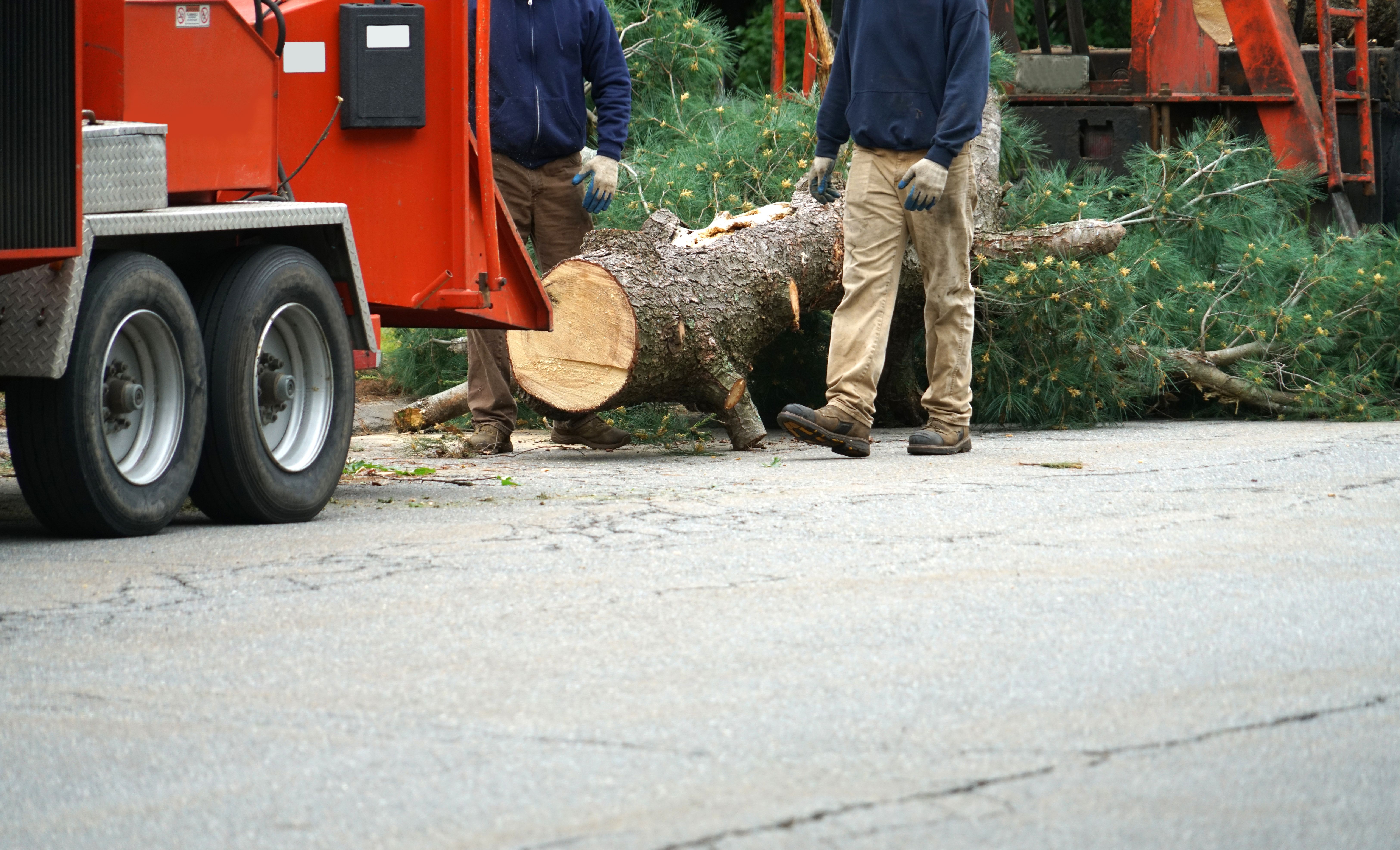
After removing a tree, there are several responsibilities to consider. Proper disposal of tree debris is crucial, and some areas in Linn County have specific guidelines for handling and disposing of organic waste. Ensure that your removal service includes clean-up and disposal in its services.
Consider replanting efforts as well. Planting a new tree can help restore the balance in your local ecosystem and contribute to the county's green initiatives. Choose a species that is well-suited to the local environment and consider consulting with a horticulturist for advice.
Conclusion
Navigating local regulations for tree removal in Linn County requires careful planning and adherence to specific guidelines. By understanding the necessary permits, considering environmental impacts, choosing the right service, and fulfilling post-removal responsibilities, you can ensure a smooth and compliant tree removal process. Being informed and proactive not only benefits your property but also supports the broader community and environment.