
Seasonal Landscaping Tips for Optimal Drainage Solutions

Understanding Seasonal Landscaping
Seasonal changes can significantly impact your landscape's drainage system. From heavy spring rains to autumn leaves, each season brings unique challenges. By understanding these seasonal factors, you can implement effective drainage solutions that keep your landscape healthy and beautiful all year round.
Spring: Prepare for Rain
Spring is synonymous with rain, which can lead to waterlogged soil and poor drainage. To combat this, consider installing a French drain or a rain garden. These solutions help divert excess water away from your property, preventing erosion and foundation issues.
Regularly check your gutters and downspouts to ensure they are clear of debris. This allows rainwater to flow freely, reducing the risk of overflow and pooling around your home.
Summer: Manage Dry Conditions
In contrast to spring, summer often brings dry conditions. While this might seem beneficial for drainage, it can lead to compacted soil, which impedes water absorption. Aerating your lawn can help alleviate compaction, allowing water to penetrate the soil more effectively.

Autumn: Tackle Falling Leaves
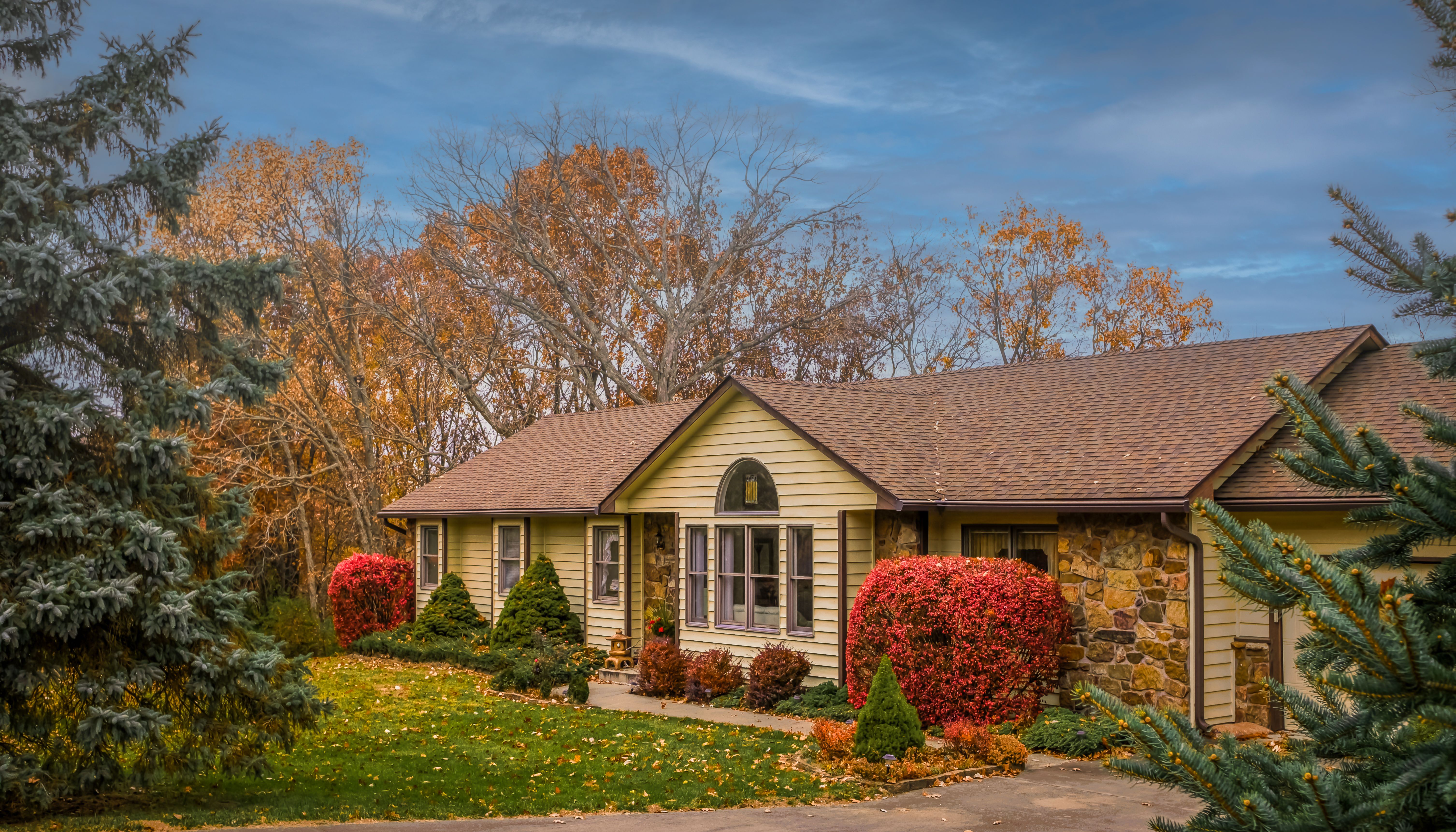
As leaves fall, they can clog drains and gutters, leading to water buildup and poor drainage. Regularly raking leaves and cleaning gutters is crucial during this season. Consider using leaf guards to minimize buildup in gutters.
Autumn is also an excellent time to plant trees and shrubs that can help with drainage. Their roots absorb excess water and stabilize the soil, reducing erosion risks.
Winter: Prevent Ice and Snow Damage
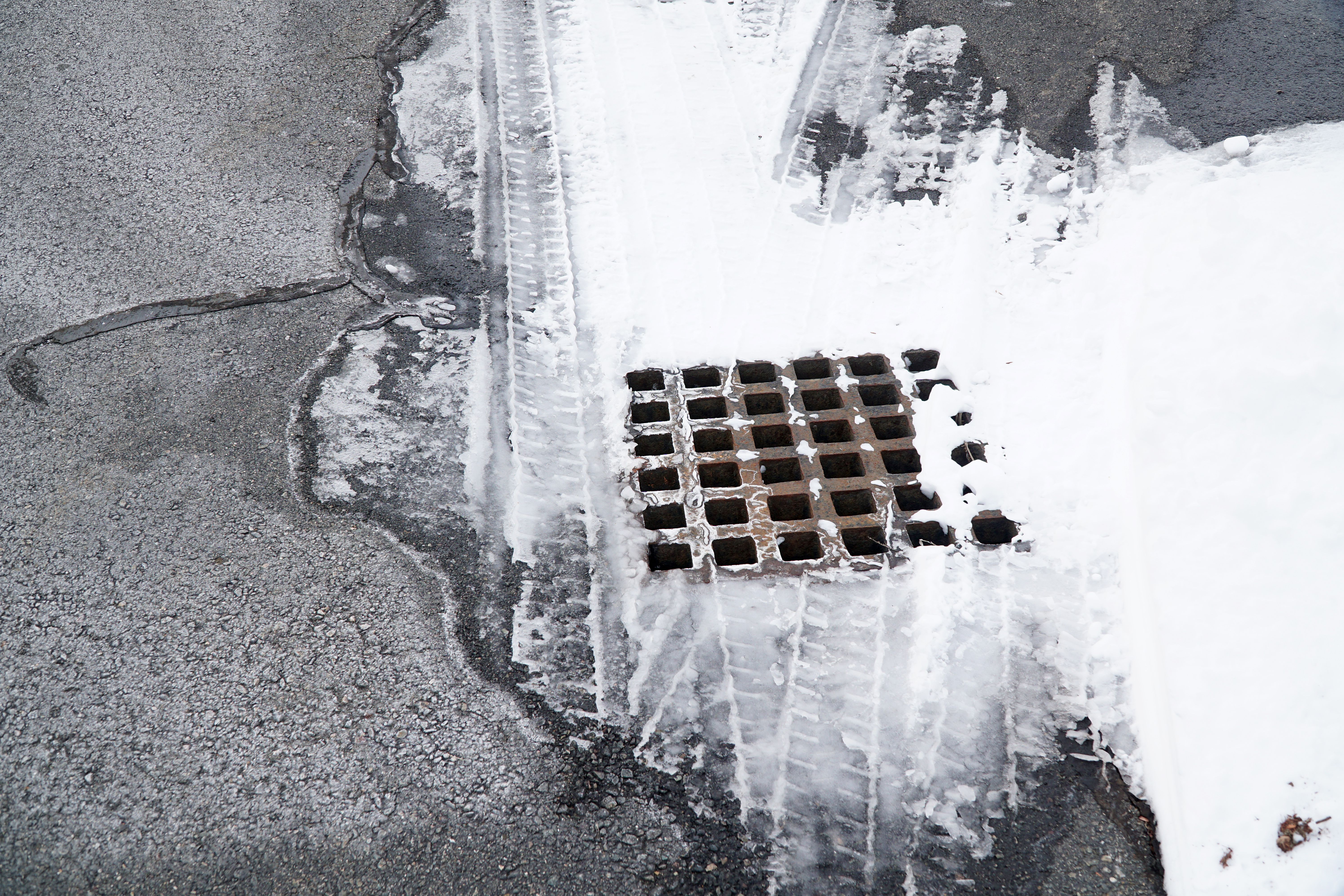
Winter presents unique drainage challenges, such as ice and snow accumulation. Ensure that your drainage systems are free from debris before the first snowfall. This allows melting snow to drain away efficiently, preventing ice dams and water damage.
Implementing Long-Term Solutions
For long-term drainage success, consider installing a comprehensive drainage system tailored to your landscape's unique needs. Professional landscapers can assess your property and recommend solutions such as dry wells, permeable pavements, and swales.
Consistent maintenance is key to ensuring these systems function optimally. Regularly inspect and maintain your drainage solutions to address any issues before they become significant problems.
Conclusion
Effective seasonal landscaping for optimal drainage requires awareness and proactive measures. By understanding each season's unique challenges and implementing strategic solutions, you can maintain a healthy, beautiful landscape that withstands the test of time.